Choosing Solar, Inverter, Battery, and Backup Options for Nigerian Homes
A clear guide for Nigerian homeowners to make informed decisions on solar systems, inverters, batteries, and backup setups tailored to local power realities.
By Oduzz Editorial
Published
2026-03-26T08:52:56.809+00:00
Read time
3 min read
Tags
3
A clear guide for Nigerian homeowners to make informed decisions on solar systems, inverters, batteries, and backup setups tailored to local power realities.
A clear guide for Nigerian homeowners to make informed decisions on solar systems, inverters, batteries, and backup setups tailored to local power realities.
Evaluate your actual electricity consumption and essential loads before choosing components.
Balance investment between solar panels, inverters, and batteries based on daily usage and outage patterns.
Consider maintenance needs and climate impact on battery types for sustainable backup solutions.
Understanding Your Home’s Power Needs
Start by accurately assessing your daily electricity consumption, focusing on critical appliances during power outages such as lights, fans, and communication devices. Avoid oversizing systems by listing priority loads rather than every appliance in the house.
Consider how often and how long the power goes off in your area. A home in Lagos with brief, frequent outages may require a smaller battery backup compared to a rural home experiencing long, unpredictable blackouts.
Choosing the Right Solar and Inverter Combination
Select solar panels based on the peak sun hours typical in your location—generally, southern Nigeria sees decent sunlight year-round but also heavy rains that affect generation capacity. Aim for quality panels with good warranties to ensure long-term durability.
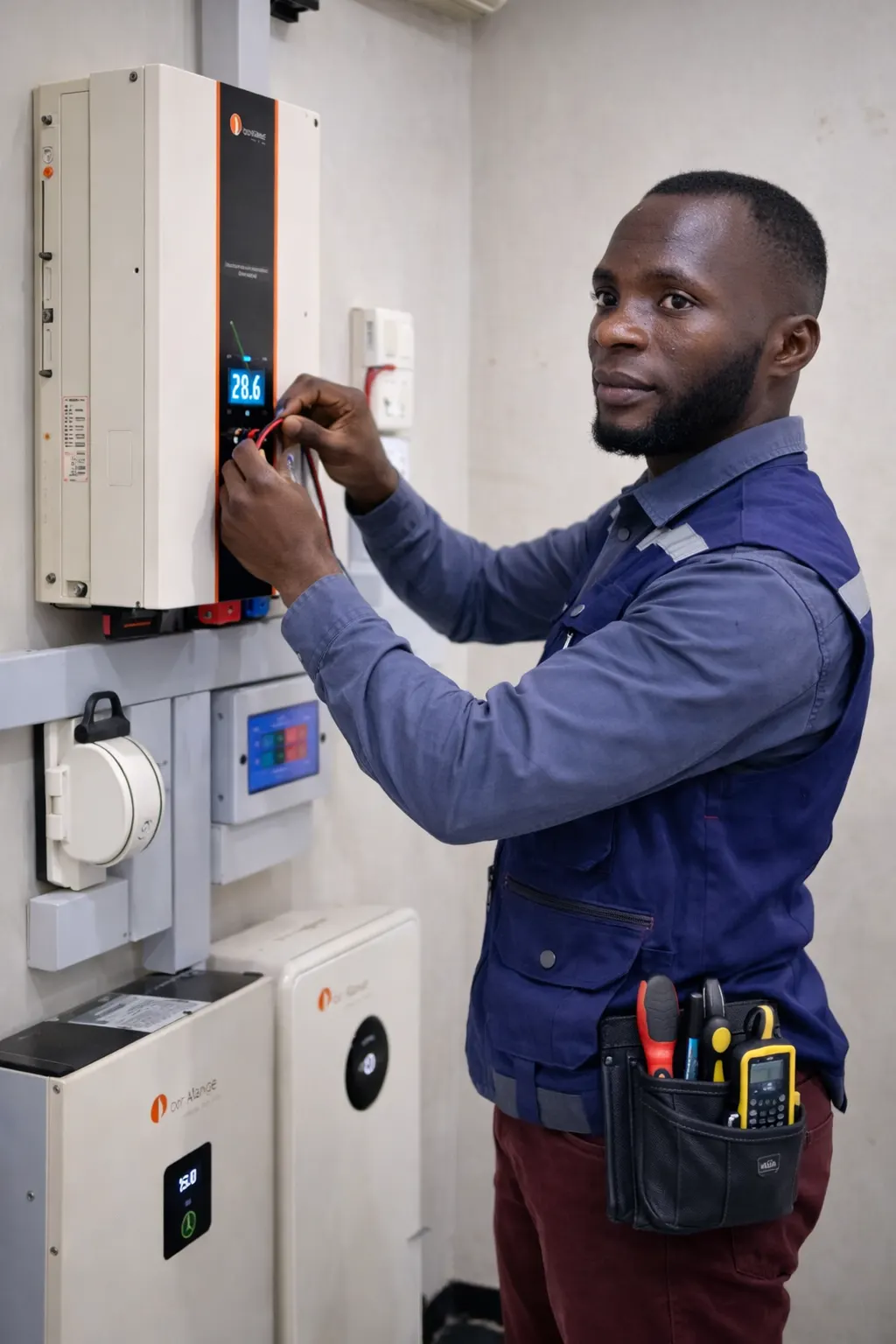
For inverters, consider hybrid types that can manage both solar input and battery charging efficiently. Pure sine wave inverters are preferable for sensitive electronics common in Nigerian homes, providing better power quality and appliance protection.
Battery Selection: Types and Trade-Offs
Lead-acid batteries remain common due to affordability but require regular maintenance and have shorter lifespans under deep discharge conditions. Lithium-ion batteries offer longer life and better performance but come at a higher upfront cost.
Think about your willingness to maintain the system. For areas with unreliable electricity and frequent outages, investing in higher quality batteries can reduce replacement frequency and improve reliability over time.
Backup Strategies Aligned with Your Lifestyle
Backup strategies can range from basic inverter-only systems to full solar-plus-battery setups. If grid reliability is moderate, a solar system paired with a smaller battery and inverter may suffice for nightly use and limited loads.
For homes in areas with extended outages, designing a system with ample battery storage and possibly a generator backup ensures continuous power. Always factor in installation quality and wiring safety to prevent faults during switching between power sources.
Newsletter
Weekly notes on better lighting, cleaner installations, and safer upgrades.
A compact footer CTA styled to sit under the blog board without pulling attention away from the story grid.