Essential Checklist for Nigerian Homeowners to Detect Hidden Electrical Risks Early
Identify common hidden electrical hazards in your Nigerian home with this practical checklist to prevent costly repairs and ensure family safety.
By Oduzz Editorial
Published
2026-04-27T08:08:06.379+00:00
Read time
3 min read
Tags
3
Identify common hidden electrical hazards in your Nigerian home with this practical checklist to prevent costly repairs and ensure family safety.
Identify common hidden electrical hazards in your Nigerian home with this practical checklist to prevent costly repairs and ensure family safety.
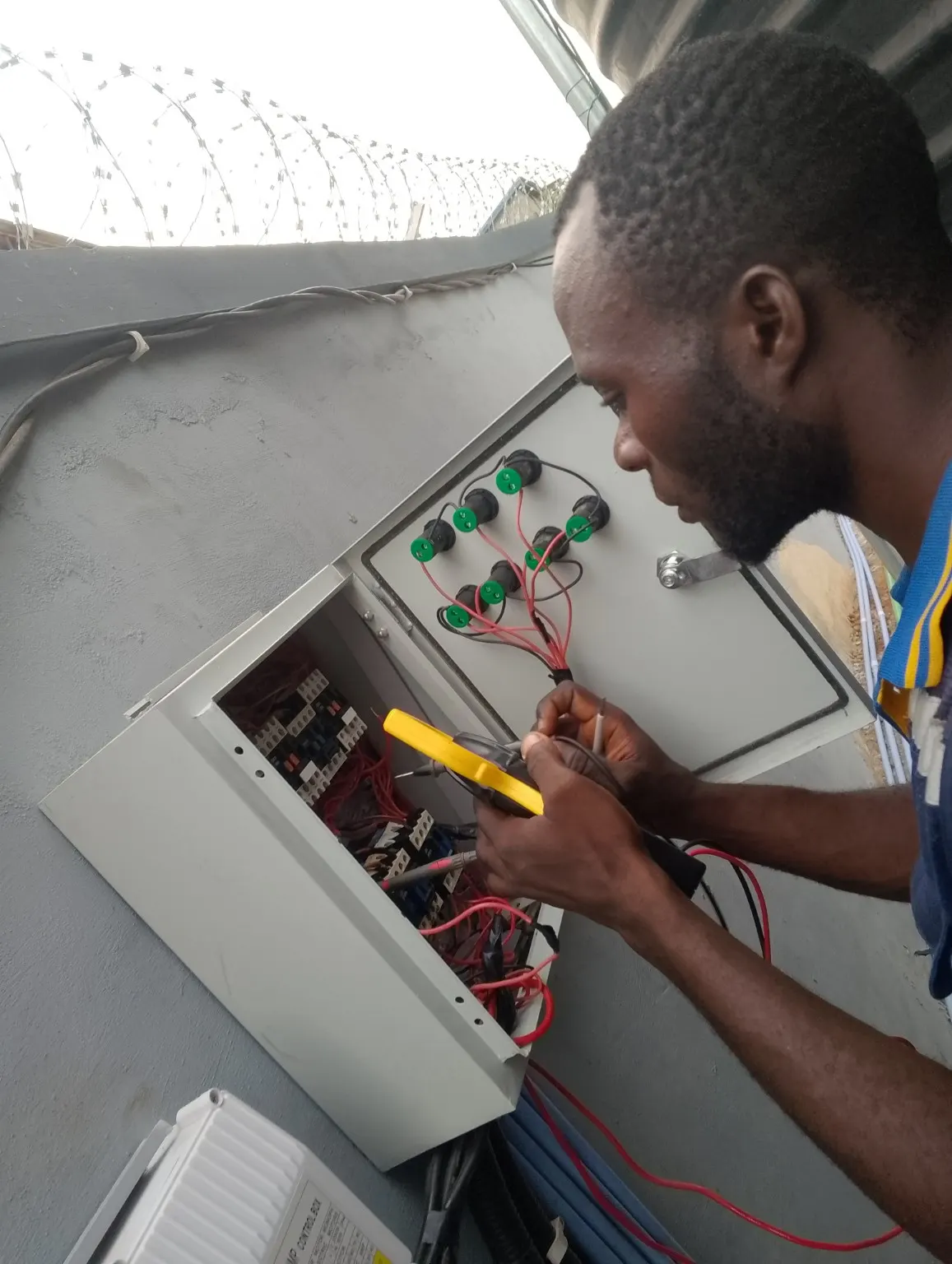
Inspect and maintain your home’s wiring and sockets regularly for wear, damage, and overheating signs.
Test your circuit breakers and RCDs periodically to ensure they function correctly under fault conditions.
Avoid unsafe DIY electrical fixes; always consult licensed electricians for modifications or repairs.
Regular Wiring and Socket Inspection
Old or damaged wiring is a primary source of hidden electrical dangers. Check socket outlets and switches for discoloration or heat, which often indicate loose connections or overloaded circuits. Exposed or frayed wires demand immediate attention.
In Nigerian homes, wiring degradation may be accelerated by heat and dust. Schedule thorough inspections annually, focusing on areas where wires run behind walls, under floors, or near moisture sources to detect early signs of failure before faults develop.
Testing Circuit Breakers and Residual Current Devices (RCDs)
Circuit breakers and RCDs act as critical home safety barriers by interrupting power during faults. Many homeowners overlook routine testing, but a simple monthly test ensures these devices respond correctly, preventing electric shocks and fire hazards.
Test breakers by switching them off and on to confirm proper operation, and use the test button on RCDs to verify response time. Faulty or unresponsive protective devices should be repaired or replaced promptly by professionals.
Avoiding Unsafe DIY Electrical Work
DIY modifications can create hidden faults, especially if wiring standards or local electrical codes are ignored. In Nigeria, improper installations are common sources of shocks and fire incidents, often resulting from unqualified attempts to fix or extend wiring.
Always engage licensed electricians for repairs, maintenance, or new installations. Professionals ensure proper connections and compliance with safety regulations, reducing future risk while protecting your home investment.
Additional Tips for Ongoing Electrical Safety
Use only certified electrical products compatible with your home’s voltage and load requirements. Cheap or counterfeit plugs, switches, and cables may fail prematurely or cause unnoticed damage.
Keep electrical appliances away from water sources and avoid overloading sockets. In humid Nigerian climates, regular cleaning of electrical fittings and ensuring dry surroundings can reduce hidden electrical faults.
Newsletter
Weekly notes on better lighting, cleaner installations, and safer upgrades.
A compact footer CTA styled to sit under the blog board without pulling attention away from the story grid.