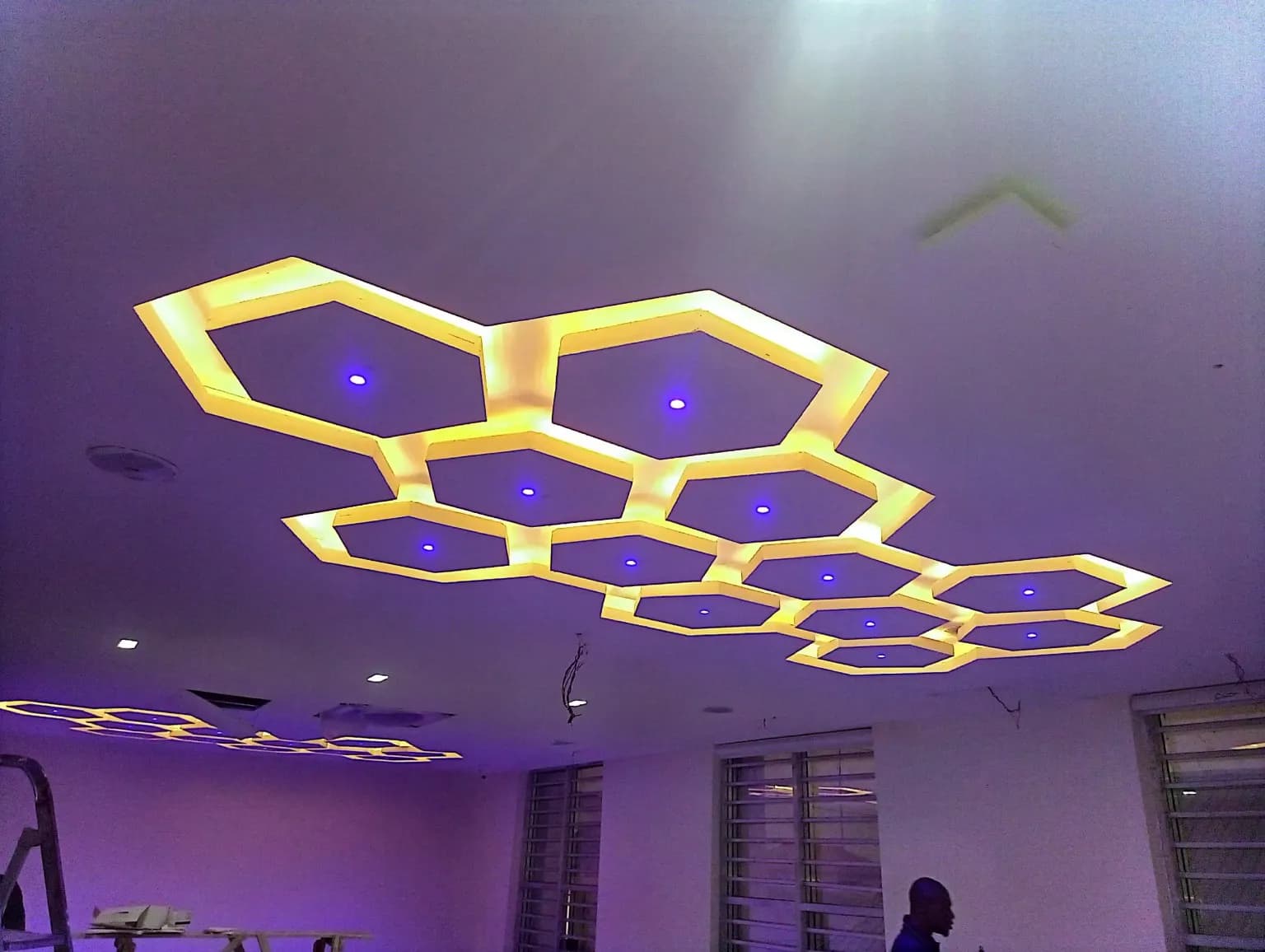
Practical Guide to Lighting Layout, Fixtures, and Switching for Nigerian Homes
This guide helps homeowners plan effective lighting layouts, choose decorative fixtures, and organize switching zones for quality finishes in Nigerian homes.
By Oduzz Editorial
Published
2026-04-02T08:52:58.368+00:00
Read time
3 min read
Tags
3
This guide helps homeowners plan effective lighting layouts, choose decorative fixtures, and organize switching zones for quality finishes in Nigerian homes.
This guide helps homeowners plan effective lighting layouts, choose decorative fixtures, and organize switching zones for quality finishes in Nigerian homes.
Plan lighting zones according to room functions and daily use for greater convenience and energy efficiency.
Select decorative fixtures that suit local conditions, maintenance needs, and complementary aesthetics.
Ensure quality finishing by coordinating electrical wiring and fixture installation with skilled electricians.
Designing an Effective Lighting Layout
Effective lighting layout starts with understanding the purpose of each space. Living rooms, kitchens, bedrooms, and hallways require different lighting intensities and types, so map out zones accordingly. Planning will reduce unnecessary installation and improve energy use.
In Nigeria, consider local electricity supply variability and supplement general lighting with task and ambient options. Position lights to minimize glare and shadows, especially in work areas like kitchens and study rooms. Early consultation with an electrician ensures safe load distribution.
Choosing Decorative Fixtures Suitable for Your Home
When selecting decorative lighting fixtures, think beyond style to practical factors such as durability and ease of maintenance. Nigerian homes are often exposed to dust and humidity, so fixtures that seal well and can withstand local conditions are preferred.
Match fixtures not only to your interior design but also to the electrical characteristics of your home. For example, LED fixtures are common for efficiency, but confirm the quality and compatibility of fittings with your wiring system before purchase.
Organizing Switching Zones for Convenience and Safety
Switching zones should correspond with the lighting layout and household movement patterns. Use separate switches for main and ambient light sources within a room to provide flexibility and save energy.
Also, avoid overly complicated switching circuits; a straightforward arrangement reduces installation errors and future maintenance issues. Using quality switchgear from reputable brands ensures longevity and safety, critical for Nigerian power conditions.
Ensuring Quality Finishing and Installation
The finishing quality of lighting installation reflects directly on safety and aesthetics. Proper concealment of wiring, secure fixture mounting, and neat switch plate fitting require attention to detail from your electrician.
Work with electricians who adhere to Nigerian electrical standards and have local experience. Inspect installations before commissioning, ensuring all connections are tight and fittings well aligned. Good finishing prevents faults and contributes to a polished home environment.
Newsletter
Weekly notes on better lighting, cleaner installations, and safer upgrades.
A compact footer CTA styled to sit under the blog board without pulling attention away from the story grid.