Practical Guide to Lighting Layout, Fixtures, and Switching for Nigerian Homes
This guide helps Nigerian homeowners plan effective lighting layouts, select decorative fixtures, and design switching zones for a quality finish before installation.
By Oduzz Editorial
Published
2026-05-07T08:53:01.274+00:00
Read time
3 min read
Tags
3
This guide helps Nigerian homeowners plan effective lighting layouts, select decorative fixtures, and design switching zones for a quality finish before installation.
This guide helps Nigerian homeowners plan effective lighting layouts, select decorative fixtures, and design switching zones for a quality finish before installation.
Map out lighting zones based on room functions and daily activities to reduce energy waste.
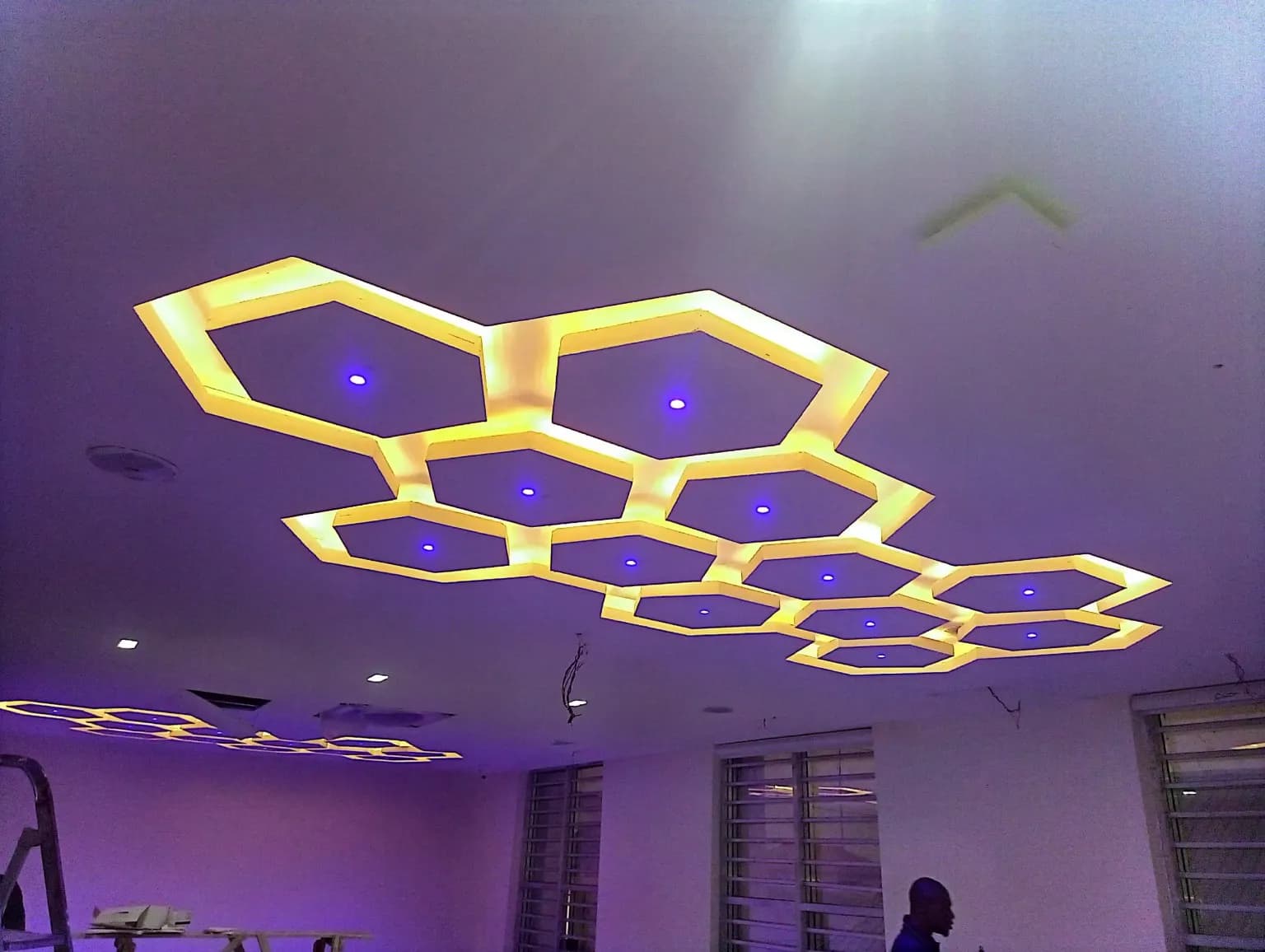
Choose durable decorative fixtures that suit local conditions and complement your interior style.
Use multi-way switching for flexibility and ensure neat electrical finishing for safety and aesthetics.
Optimizing Lighting Layout for Nigerian Homes
Effective lighting starts with a clear layout plan that considers how each space in your home is used. Living rooms and kitchens require brighter, general lighting, while bedrooms and lounges benefit from layered lighting including task and ambient sources. Plan separate zones to control lighting independently and reduce unnecessary energy consumption.
Be mindful of the typical Nigerian power fluctuation issues by avoiding overloading circuits. Position lights to maximize natural light during the day and complement it with artificial lighting where needed. Proper layout reduces the risk of installation errors and improves overall comfort.
Selecting Decorative Fixtures That Balance Style and Function
Decorative lighting fixtures add character but should be chosen with durability and local conditions in mind. Materials that withstand dust accumulation and heat common in Nigerian climates will reduce maintenance effort. Fixtures should also match your home’s interior style while providing appropriate light distribution.
Consider LED options within decorative fixtures for energy efficiency and longer lifespan. Avoid overly complex fixture designs that might complicate installation or require frequent repairs. Simpler, quality fixtures tend to perform better in Nigerian homes.
Designing Practical Switching Zones for Everyday Use
A practical switching design groups lights logically by room and usage, allowing flexibility. Multi-way switching is ideal for large rooms or corridors, letting you control lighting from multiple points. Plan for switches at convenient heights and locations to suit all household members.
Switching zones should also help preserve energy by enabling occupants to switch off lights easily when not needed. Group lighting circuits to avoid overloading and ensure safety. Proper labeling of switches during installation avoids confusion later.
Ensuring Quality Finishing for Safety and Longevity
Finishing quality is critical for a polished look and safe operation. Connections must be secure, wiring concealed neatly, and fixtures mounted firmly. Poor finishes not only reduce aesthetic appeal but also increase risks of faults and fire hazards.
Use branded electrical accessories recommended for Nigerian standards and have electricians test all installations thoroughly before handing over. A tidy and professional finish assures your lighting system’s performance and protects your investment.
Newsletter
Weekly notes on better lighting, cleaner installations, and safer upgrades.
A compact footer CTA styled to sit under the blog board without pulling attention away from the story grid.